











Psychoactive Technologies
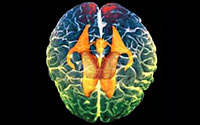
Psychoactive Technologies are machines, devices, or technologies designed to help produce
(or enhance) psychoactive mindstates, central effects, peripheral body changes, or spiritual experiences.
These can be low or high tech and may be designed to affect vision, sound, touch, or other aspects of the human
experience. High level abstract umbrella terms include "neuromodulation", "neurostimulation", "bioelectronics", and many others.
| COMMON NAME | OTHER NAMES |
|---|---|
| FLOATATION TANKS | Sensory Deprivation, Isolation |
| LIGHT TECHNOLOGIES | . |
| MIND MACHINES | |
| NERVE SIGNAL PLAYBACK | Electroceuticals |
| SOUND TECHNOLOGIES | . |
| TRANSCRANIAL ELECTRICAL STIMULATION | TES |
| TRANSCRANIAL MAGNETIC STIMULATION | TMS |
| TRANSCRANIAL ULTRA SOUND | TUS |
| VAGUS NERVE STIMULATION | VNS, Electroceutical, gammaCore |
ARTICLES & WRITINGS #

Introduction to Transcranial Magnetic Stimulation, by G. Balfour
RESEARCH & JOURNAL ARTICLES #
EXPERIENCES #
Subtle Yet Profound, by AGB
A Wonderful Experience, by Cynapse
Fighting Death with Love, by Relentless
Out of Body Without Drugs, by DemonicDreamer
Some Enchanted Evening, by Roosevelt
OFF-SITE RESOURCES
PRIMARY RESOURCES #
Michael Persinger's Home Page (pioneer in TMS)
This is Your Brain on God, Jack Hitt Wired.com
Reawakening the Creative Mind, BBCOnline
SECONDARY RESOURCES #
BINAURAL BEATS #
Healing Beats, Binaural Beat Downloads
NEWS & MEDIA COVERAGE #
Hallucination Machine Gives Users Experience Of Trip Without Drugs, Nov 2017, Newsweek
Thync piece: Do mind-altering wearables live up to the billing?, Apr 2016, New Scientist
When Your Favorite Song Gives You Seizures, Jun 9, 2008, Scientific American
Virtual Iraq, May 19, 2008, The New Yorker
This sound of music will make you feel happy and high, May 16 2008, CNN/IBN
Brainstorming about the Brain (about Zack Lynch), May 29 2007, sfgate.com
Your Brain on Religion - Begley S, 2001
Electrodes Permanently Implanted in Brain, SF Chronicle May 6, 2002

SEX-RELATED #
Spine Implant Called Orgasmatron, Nov 26 2003
GAMES & GAMING #
Gaming Junkies Get No Diagnosis, Jun 2007, LA Times (archived on Mental Hope News)
Man dies after marathon video game session, Aug 9 2005, CBC News
Second Gamer Dies After Massive Binge, Oct 22 2002, vnunet.com
HUMAN-COMPUTER INTERFACE #
Paralysed man sends e-mail by thought, Oct 2004 nature.com
DRUG REPLACEMENT #
PAIN MANAGEMENT #
TV 'can numb pain for children', Aug 2006, BBC.co.uk
ELECTRICAL STIMULATION #
The SF Giants Are Zapping Their Brains With Electricity. Will It Help?, KQED San Francisco, May 2017
Boost Your Brain's Power With a 9-Volt Battery and Some Wet Sponges, Nature Neuroscience, Apr 2011