











Alprazolam (Xanax)
Basics
DESCRIPTION #
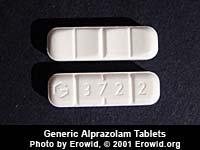
Alprazolam (Xanax) is a pharmaceutical sedative and CNS depressant which acts on the GABA receptor system. Alprazolam is widely prescribed in the U.S. for anxiety disorder, panic attacks, sleeplessness, and sometimes for short-term relief of extreme stress. It is classified as a benzodiazepine.
Alprazolam is a common prescription drug and is also used recreationally for its relaxing qualities. With regular or excessive use Alprazolam can lead to dependence and addiction.
Alprazolam is a common prescription drug and is also used recreationally for its relaxing qualities. With regular or excessive use Alprazolam can lead to dependence and addiction.
Dose #
Alprazolam typically comes in four different strengths: 0.25 mg (white), 0.5 mg (peach), 1.0 mg (blue), 2.0 mg (white), although generic brands can be other dosages as well. An extended-release version (Xanax XR) is also available, in capsules of 0.5, 1.0, 2.0, or 3.0 milligrams.
An average adult dose is typically 0.5-3 mg per day, with a maximum dosage of 4 mg daily. Tolerance develops very quickly; those who take it on a daily basis may find they need to increase their dosage in order to get the same effects.
An average adult dose is typically 0.5-3 mg per day, with a maximum dosage of 4 mg daily. Tolerance develops very quickly; those who take it on a daily basis may find they need to increase their dosage in order to get the same effects.
Price #
Street price is often US$5 per 2 mg tablet (2004). The 0.5 peach tablets are rarely seen on the black market, and the 0.25 tablets are even rarer. Prescription prices vary depending upon location, insurance, generic or brand, etc.
Alprazolam is Schedule IV in the United States, making it illegal to sell without a license and illegal to purchase or possess without a prescription.
Alprazolam is a benzodiazepine anxiolytic, chemically related to other anti-anxiety benzodiazepines such as diazepam (Valium) and lorazepam (Ativan).
Pharmacology #
Alprazolam's exact mechanism of action is unknown. However, it is presumed to work by enhancing the effects of the body's GABA (Gamma-Amino Butyric Acid). GABA is the nervous system's primary inhibitory neurotransmitter, found in the brain and spinal cord. GABA tells the neurons that it contacts to slow down or stop firing, and this has a general calming and quieting effect on the brain. Alprazolam and other benzodiazepines enhance the activity of already existing GABA. Contrary to popular belief, they do not increase the nervous system's biological synthesis of GABA.
Production #
Production Summary Needed.
History #
Alprazolam first appeared on the pharmaceutical market in the United States in the 1980s. Since then, it has replaced diazepam (Valium) as the #1 medication for anxiety and one of the top-selling drugs in the U.S.
Terminology / Slang #
Brand Names:
Xanax.
The Substance:
Zanies; Zans; Blue Footballs or Blues (1 mg blue tablets); Z bars; Zan Bars; Quad Bars; Totem poles; or Tombstones (2 mg bar-shaped tablets).
The Experience:
Barred-out.
EFFECTS #
Primary effects include calming, euphoria, drowsiness, sedation, a decrease in social inhibitions, anterograde amnesia (forgetting what happens after the effects begin), and intense relaxation.
Onset #
Effects are generally felt 20-40 minutes after oral ingestion (faster via sublingual), although it can take up to two hours to feel the full effects.
Duration #
Alprazolam is considered a "short-acting" benzodiazepine. Users report that the effects of the drug last from 2 to 6 hours with lingering after-effects of several more hours.
Visual Effects #
Alprazolam has no direct visual effects. If it has any visual effects, it would be to dampen visual effects of other drugs or visual disorders.
Hangover #
The after effects from alprazolam can include increased irritability, restlessness, and anxiety. This "rebound anxiety" effect increases with dose and frequency. The rebound hangover effect occurs between 6 and 18 hours after the final dose, depening on the individual's metabolism.
Side effects may include drowsiness, dizziness, clumsiness, loss of muscle coordination, amnesia, dry mouth, headache, vivid dreams, and changes in libido. Serious, adverse reactions to alprazolam are very rare, but they do occur. Users who experience any of the following reactions after administration should seek immediate emergency medical attention: yellowing of the skin or eyes, hallucinations, a rash, or an allergic reaction (difficulty breathing, closing of the throat, swelling of lips, face, etc.).
Contraindications #
Combining alprazolam with alcohol or other CNS depressants can lead to a dangerous and in some cases fatal slowing of the central nervous system and respiratory system. Other contraindications include:
- Liver or kidney disease
- Depression
- History of drug or alcohol abuse
- Acute narrow angle glaucoma
- Co-administration of ketoconazole, an anti-fungal medication, or any other anti-fungal medications (due to alprazolam's interaction with drugs that inhibit metabolism via cytochrome P450 3A)
Addiction Potential #
Alprazolam is both physically and psychologically addicting. Even for those who take it for medical reasons, it may become habit-forming, especially if used on a daily basis. Suddenly stopping daily use of alprazolam could be extremely dangerous, especially if the user has been taking 4 mg or more daily for 6 months or more. In rare cases, suddenly stopping this medication can cause tremors, seizures, and in very rare cases, coma and even death. Medical experts recommend gradually tapering off of alprazolam, rather than abruptly stopping it.
Long Term Health Problems #
Long Term Health Problems Summary Needed.
Risk of Death #
Risk of Death Summary Needed.
CAUTION & DISCLAIMER #
Erowid Basics pages are summaries of data gathered from site visitors, government documents, books, websites, and other resources. We do our best to keep this information correct and up-to-date, but the field is complex and constantly changing. Information should always be verified through multiple sources.